
Dos and Don’ts for Accounting Resumes and Cover Letters
When applying for an accounting role, your resume and cover letter are often the first impression you make with a hiring team. These documents help employers decide whether to invite you for an interview. They should clearly show where you are in your career, what experience you bring, and why you are interested in the opportunity. A strong resume highlights your education, experience, and skills, while a strong cover letter gives you a chance to explain your goals and make a more personal connection with the employer.
Why Resumes Matter
Resumes are usually the first document a hiring team reviews when evaluating applicants.
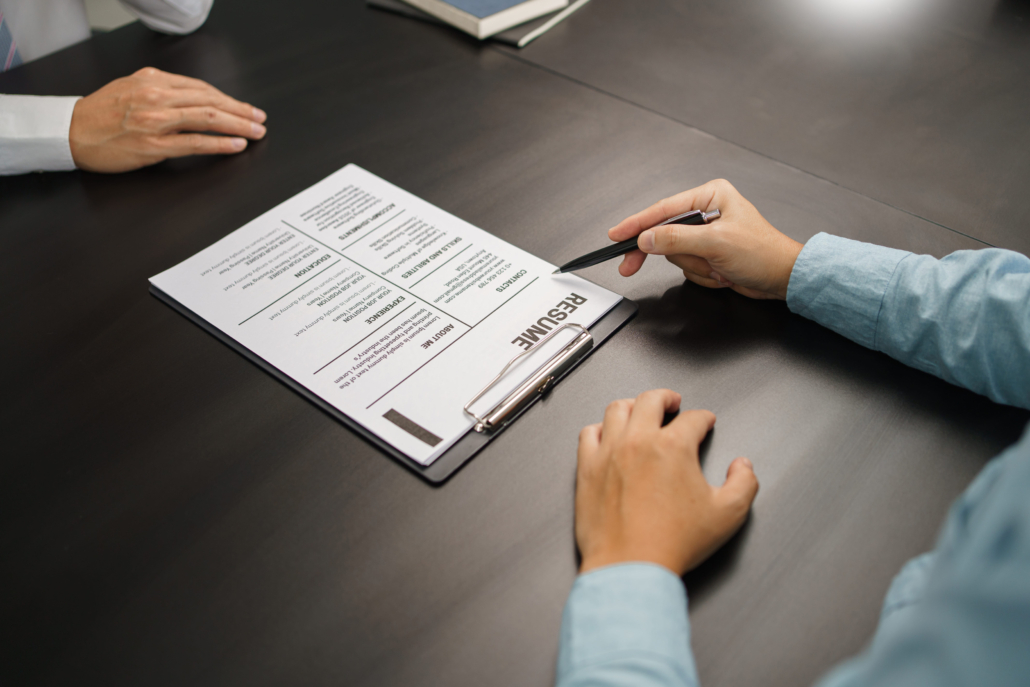
Most hiring teams review resumes first when applicants apply. Resumes should be informative without including too much unnecessary detail. For students and young professionals, a resume should generally be no more than two pages. Applicants with more experience may need additional space, but the information included should still be relevant to their professional career.
For students, resumes should include the expected graduation year and any planned master’s degree. The graduation date is important because it helps employers understand when full-time employment may be possible.
For professionals, resumes should include all degrees obtained, the years they were obtained, relevant certifications, and experience that supports the position being pursued.
For students, it is also important to include GPA on the resume because many hiring committees consider it when reviewing candidates who are still in school. Leaving GPA off the resume can sometimes raise questions, because hiring committees may assume it was omitted for a reason.
Finally, formatting and proofreading are some of the most important parts of preparing a resume. Running a resume through spell check and carefully reviewing the formatting can catch simple mistakes that may otherwise make the document look unprofessional.
The Purpose of the Cover Letter
Cover letters allow applicants to personalize their application and explain why they are interested in a specific role.
Cover letters are a great way to personalize a message to the hiring team and elaborate on key parts of the resume. Applicants should use the cover letter to mention the employer’s name and the position they are applying for. If the job location does not match the address on the resume, the applicant should briefly explain why. For example, if someone lives in New Hampshire but attends school in Connecticut and plans to stay in Connecticut for a summer job, that context is helpful to include in the cover letter.
Cover letters are also a good place for applicants to explain what they are looking for in a job and why they believe the employer would be a good fit. Researching the employer and mentioning something specific from its website can also make a strong impression.
Avoiding Common Cover Letter Mistakes
Like resumes, cover letters should be spell-checked and proofread before being sent. Many applicants use the same general cover letter for multiple applications, which is fine as long as it is reviewed and personalized for each job. One of the most avoidable mistakes is addressing a letter to the wrong employer or referencing a different position than the one being applied for. Mistakes like that can quickly turn a hiring team away from an otherwise qualified applicant.
Final Takeaways
Professional resumes and cover letters are important first steps in the hiring process, especially for accounting applicants. Students should consider reaching out to their career development office for help reviewing these materials. Above all, applicants should spell-check, proofread, and carefully format anything they send to an employer, because small mistakes are often avoidable and can affect the impression they make.